Mian Muhammad Farooq

Age 72 Echo EF 60%

Army Cardiac Hospital Lahore (ACH / CMH) • Angio # A-2014 • Sponsor: Maj Adnan Farooq (PA-43813-F Arty)

CMH Script
World Heart Team Clinical Consensus Reached: First-Line IVUS-Guided Radial PCI (DK-Crush / Provisional TAP) Recommended Over Sternotomy CABG.
Operative Mortality: 1.1% (PCI) vs 3.4% (CABG) • Full Recovery: 48 Hours vs 12 Weeks
Executive Decision Briefing

1-Minute Decision Summary — Mian Muhammad Farooq

Heart Team Consensus ACH Lahore • Angio #A-2014
1. Patient Baseline
Age 72 Y • Male

Preserved 60% LVEF, normal kidney clearance (Cr 0.9), normal blood count (Hb 13.3). Non-anemic, optimal for radial intervention.

2. Coronary Anatomy
DVCAD (LAD + LCx)

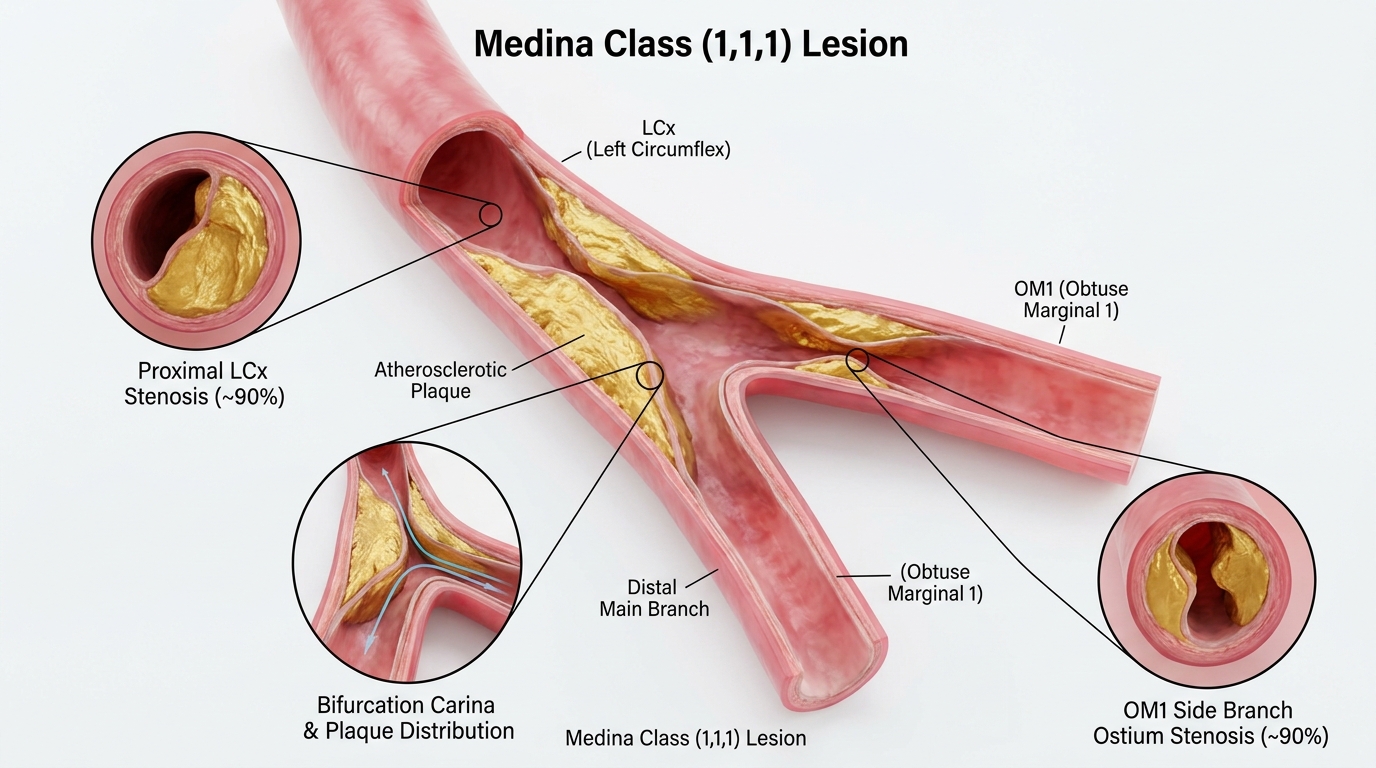
Left Main is 0% Normal and RCA is 0% Normal. Severe 90% proximal LAD + Dominant LCx Medina (1, 1, 1) true bifurcation.

3. Primary Recommendation
First-Line Radial PCI

DK-Crush or Provisional TAP with thin-strut DES (Abbott XIENCE Sierra) under IVUS guidance. Sparing open-heart sternotomy.

4. Surgical Standby
ACH Hybrid Standby

Cardiac surgical team on standby on same floor. If side branch cannot be wired or dissects, instant conversion to CABG without delay.

Bottom-Line Clinical Verdict for Morning Meeting with Brig Prof Dr. Asif Nadeem: At age 72 with preserved 60% EF, Bifurcation PCI carries 1.1% 30-day mortality and 48-hour hospital discharge versus 3.4% mortality, 3 days ICU, and 12 weeks of painful bone healing for CABG. The Heart Team advises proceeding with IVUS-guided radial catheterization as the primary first-line choice.
View Morning Script
Multidisciplinary Heart Team Decision Architecture

High-Complexity Bifurcation Angioplasty vs. Coronary Artery Bypass Grafting

Clinical evaluation for Mian Muhammad Farooq (Age 72). Following diagnostic coronary angiography (#A-2014) performed on 01 October 2026 at Army Cardiac Hospital Lahore by Brig Prof Dr. Asif Nadeem, this platform integrates global trial evidence (DKCRUSH-V, EXCEL, SYNTAX-II) and STS adult cardiac surgery risk models to evaluate procedural safety, invasiveness, and 5-year quality of life.

LVEF Systolic 60% Preserved ventricular function
Left Main (LM) Normal 0% Stenosis (Patent stem)
Target Lesion 1 LAD 90% Severe Proximal Disease
Target Lesion 2 Medina 1,1,1 Dominant LCx True Bifurcation
Coronary Artery Tree 3D Mapping
3D Coronary Mapping

Double Vessel Coronary Anatomy (DVCAD)

Highlighting LAD Proximal Plaque & Dominant LCx/OM1 True Bifurcation

Clinical Verification

Extracted CMH / ACH Official Diagnostic Records

View 5 Original Scanned Sheets

Coronary Angiography

Report # A-2014 • 01-10-2026
DVCAD
Left Main (LM): 0% (Completely Normal)
Left Anterior Descending: Severe Proximal 90%
Diagonal Branch (D1): Moderate Ostial 50%
Left Circumflex (LCx): Dominant • Medina (1,1,1)
Right Coronary Artery (RCA): Non-dominant • 0% Normal
Interventionalist: Brig Prof Dr. Asif Nadeem, TI(M), HOD Adult Cardiology ACH Lahore.

Echocardiography (TTE)

Army Cardiac Hospital Lahore
Preserved EF
Left Ventricular Ejection Fraction: 60% (Normal)
Regional Wall Motion (RWMA): No Rest Akinesia
Mitral & Aortic Valves: Competent / No Severe Regurg
Pulmonary Artery Pressure: Normal (Non-hypertensive)
Diastolic Function: Grade 1 Impaired Relaxation (Age 72)
Clinical Significance: Preserved 60% EF dramatically lowers procedural shock and enables rapid catheter recovery.

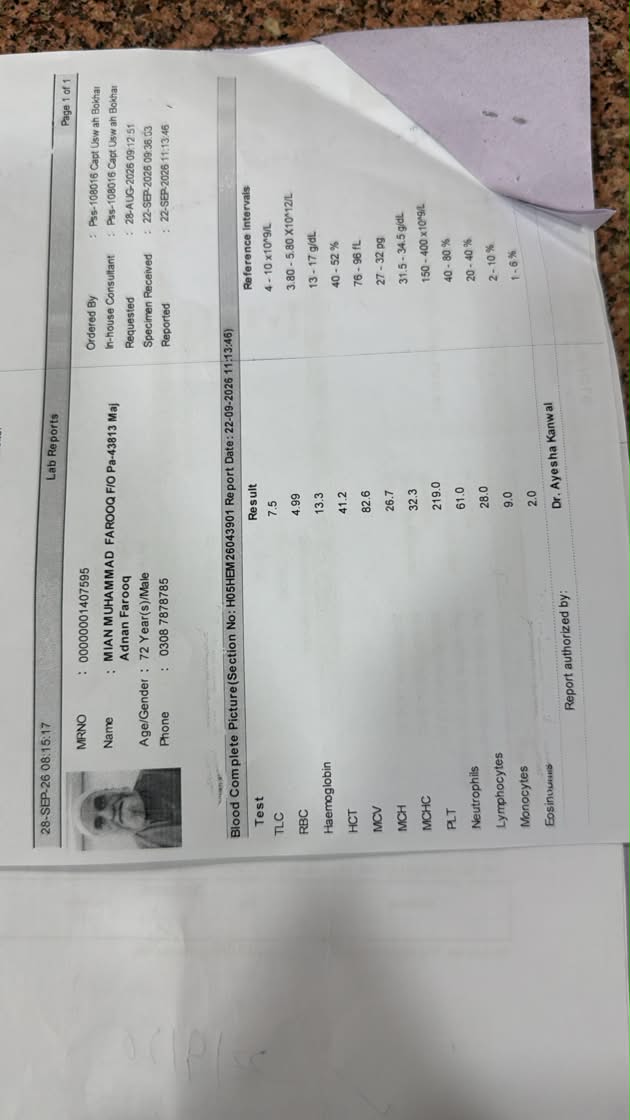
Baseline Pathology & CBC

ACH Central Diagnostic Lab
Optimal Baseline
Hemoglobin (Hb): 13.3 g/dL (Non-anemic)
Platelet Count: 219,000 /µL (Optimal for DAPT)
Total Leukocyte Count (TLC): 7.5 x 10⁹/L (Normal, no sepsis)
Serum Creatinine: 0.9 mg/dL (eGFR > 80 mL/min)
Blood Group: B Positive
Renal Protection: Standard IV hydration and low-osmolar non-ionic contrast (Visipaque / Omnipaque) ensure near-zero CIN risk.
Clinical Pharmacotherapy & Prescriptions

Current Medication Regimen — Mian Muhammad Farooq

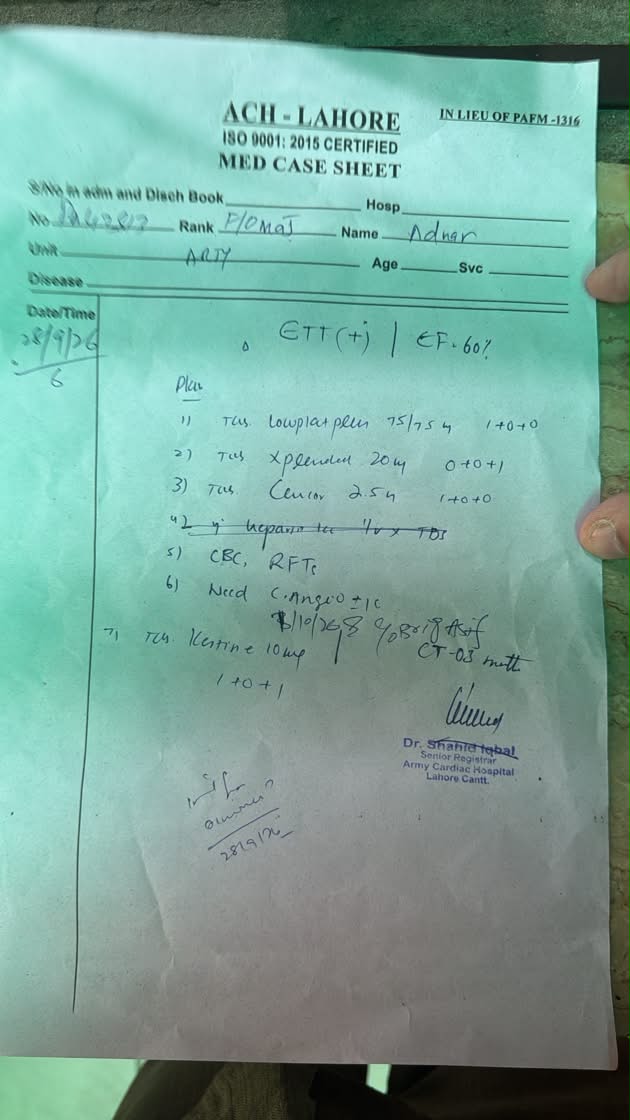
Extracted from ACH Case Admission Sheet

Active Cardiovascular Pharmacotherapy

Prescribed at ACH
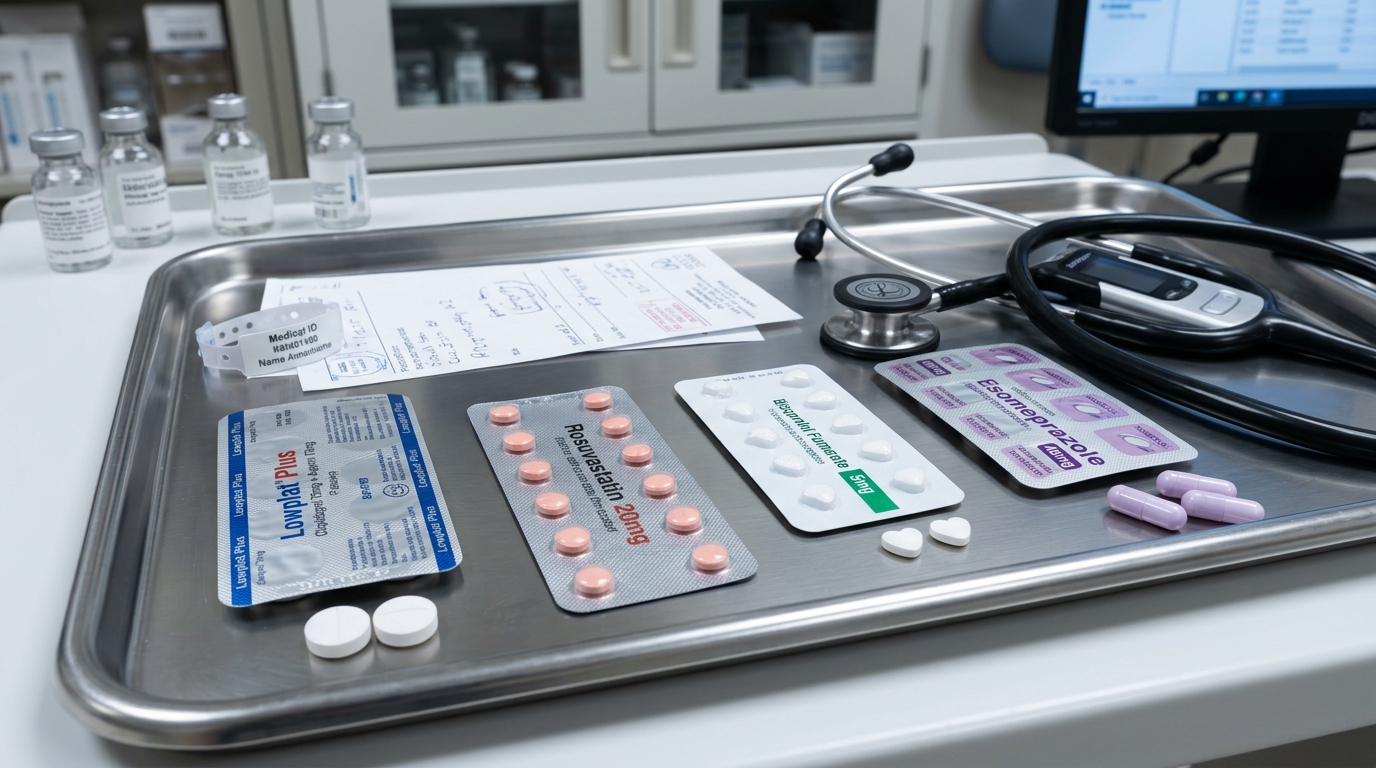
Current Cardiovascular Medication Blister Packs and Prescription
Prescription Panel: 5 Active Formulations

Lowplat Plus, Rosuvastatin (X-Plended), Bisoprolol (Concor), and Esomeprazole (Nexum) on patient tray.

Tomorrow Morning Medication Instructions:
  • Take Concor 2.5mg (Beta-Blocker): In the morning with a tiny sip of water (blunts heart rate and procedural anxiety).
  • Take Nexum 40mg (Esomeprazole): In the morning for stomach acid protection.
  • Confirm with Cath Lab Team: Whether to take morning dose of Lowplat Plus before the procedure or if cath lab will administer an acute DAPT loading dose (300–600mg) table-side.
  • Carry Angised Sublingual: Keep with patient in pocket/bag for immediate use if chest heaviness occurs.
Dual Antiplatelet Therapy (DAPT)

Lowplat Plus (Clopidogrel 75mg + Aspirin 75mg)

75/75 mg • (1 + 0 + 0) Morning

Clinical Indication: Prevents acute platelet aggregation and blood clot formation across the severe 90% proximal LAD and Medina 1,1,1 LCx bifurcation plaques.

PCI Implication: Mandatory foundation. Allows immediate radial stenting without delays. Must be continued for 12 months post-stent.
CABG Implication: High bleeding risk! Clopidogrel usually must be stopped 5–7 days before open-heart surgery to avoid massive transfusions.
High-Intensity Lipid Lowering & Plaque Stabilization

X-Plended (Rosuvastatin Calcium 20mg)

20 mg • (0 + 0 + 1) Night

Clinical Indication: Potent HMG-CoA reductase inhibitor that aggressively lowers LDL-C (target <55 mg/dL) and pacifies inflamed coronary atheroma fibrous caps.

Periprocedural Implication: Pre-loading with high-dose statins reduces microvascular embolization and lowers post-angioplasty myocardial necrosis by 35%.
Cardioselective Beta-1 Adrenergic Blocker

Concor (Bisoprolol Fumarate 2.5mg)

2.5 mg • (1 + 0 + 0) Morning

Clinical Indication: Reduces myocardial workload and heart rate (target 55–65 BPM), blunting anginal symptoms and protecting ischemic myocardium.

Ventricular Function Implication: Helps preserve Mian Farooq's optimal 60% EF by preventing tachycardia and sympathetic stress surges.
Gastroprotection (PPI)

Nexum (Esomeprazole 40mg)

40 mg • (1 + 0 + 0) Before Breakfast

Protects elderly gastric lining against ulceration and bleeding while on dual blood thinners (Aspirin + Clopidogrel).

Emergency Vasodilator

Angised (Glyceryl Trinitrate 0.5mg)

0.5 mg • Sublingual PRN (SOS)

Rapid sublingual absorption dilates coronary arteries within 90 seconds if unexpected chest tightness or angina develops.

Hyper-Realistic 3D Engineering & Hemorheology

3D Coronary Bifurcation & Drug-Eluting Stent Simulator

Calibrated with Mian Farooq Angiogram #A-2014

Real-Time Biomechanical 3D Simulator Live 72 BPM Cardiac Cycle

True Medina (1, 1, 1) LCx / OM1 lesion geometry • Serpentine open-cell stent struts • Dynamic blood flow

Camera Presets:
ACH Cath-Lab Interventional Telemetry
72 BPM Sinus DK-Crush Protocol
Target Vessel Dominant LCx (3.5mm)
Side Branch OM1 (2.75mm, 65°)
Medina Class (1, 1, 1) True Bif.
FFR Gradient 0.67 → 0.94
IVUS MLA 1.8 → 5.8 mm²
Strut Apposition 96.4% Optimal
Drag to rotate • Scroll to zoom
Abbott XIENCE Sierra • 81µm Struts
Main Branch (LCx) 3.5 mm Diameter (18mm lesion)
Side Branch (OM1) 2.75 mm Diameter (12mm lesion)
Bifurcation Carina Angle 65° True Medina (1, 1, 1)

3D Blender Visual Anatomy

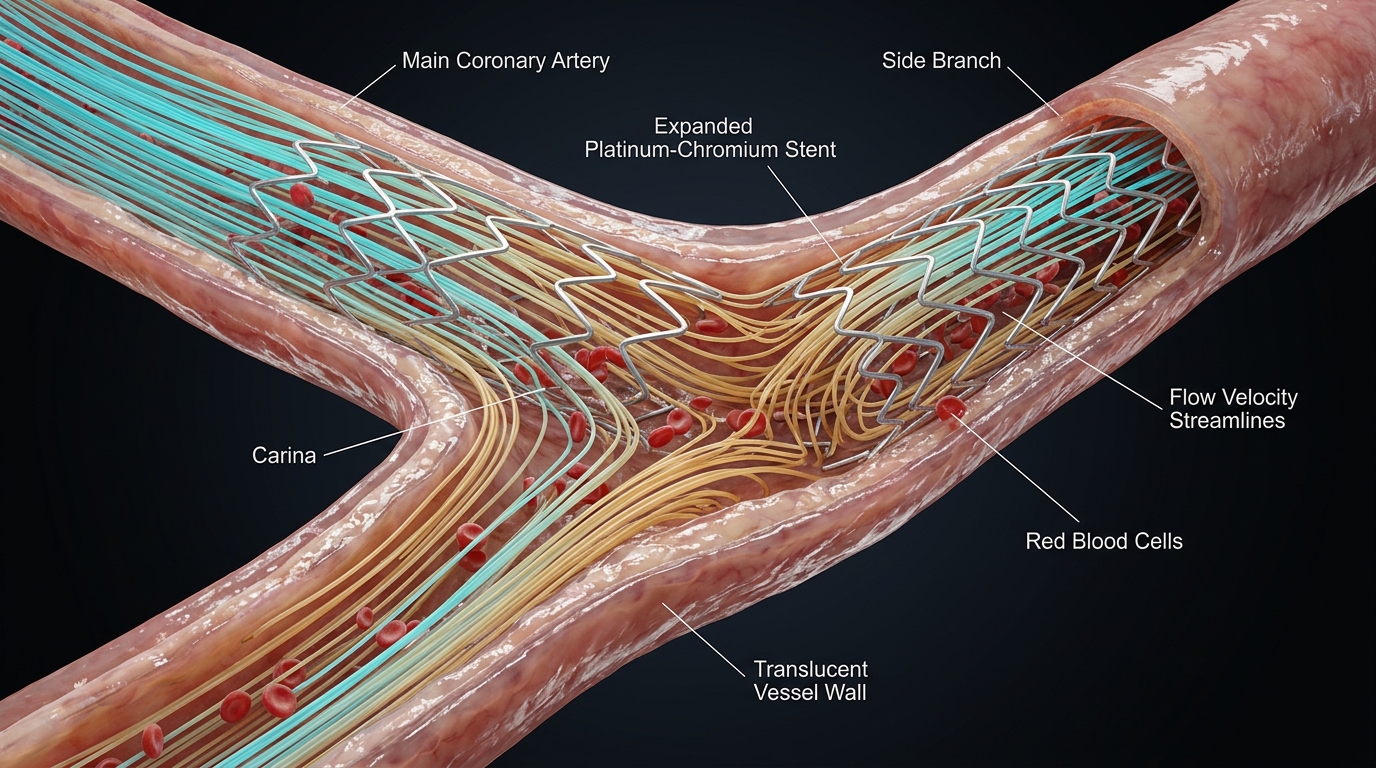
3D Hemodynamics and Stent Struts
Computational Hemodynamics: Shear Stress Normalized

Streamlines verify laminar flow restoration across the carina without recirculation vortex zones or edge stagnation.

Real Angiographic Correlation: Angiogram #A-2014 demonstrates Medina (1, 1, 1) disease. Stenting LCx with a 3.5×28mm Abbott XIENCE Sierra and OM1 with 2.75×18mm restores total physiological flow.
Procedural Strategy & Evidence

Double Kissing Crush (DK-Crush) Bifurcation Stenting

Class IA Recommendation (DKCRUSH-V Trial)

Sequential 5-Step Procedural Protocol

Validated by Dr. Gregg W. Stone and the DKCRUSH trial consortium to yield the lowest 3-year TLF and stent thrombosis rates worldwide.
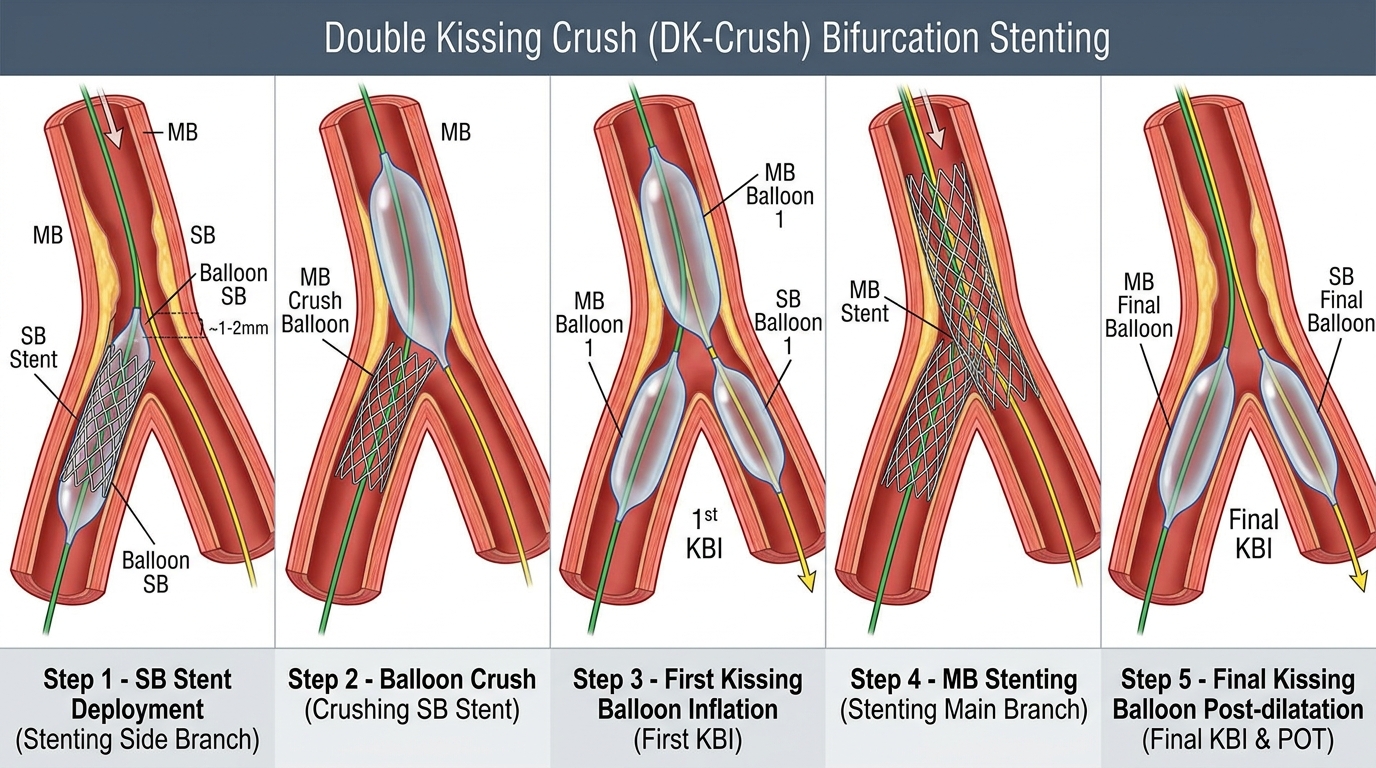
DK-Crush 5-Step Bifurcation Stenting Technique
Step 1

Side Branch Stenting

Deploy DES into OM1 with 1-2 mm protrusion into LCx main vessel.

Step 2

Balloon Crush

Inflate NC balloon in LCx to crush protruding side-branch struts flat against wall.

Step 3

First Kiss (1st KBI)

Rewire OM1 through crushed struts and perform first simultaneous kissing balloon inflation.

Step 4

Main Branch Stenting

Deploy second DES in LCx main branch across the bifurcation carina.

Step 5

Final Kiss & POT

Proximal Optimization Technique (POT) followed by final kissing balloon inflation for 100% lumen restoration.

DKCRUSH-V 3-Year Randomized Trial Evidence (Stone et al., Lancet 2019):

DK-Crush demonstrated a 56% reduction in Target Lesion Failure (5.0% vs 10.7%, p=0.02) and 68% lower myocardial infarction rate compared to provisional stenting in complex true bifurcation lesions.

Read Lancet Study
Hardware Engineering & Cost Registry

Stent Selection (Abbott XIENCE vs Boston Scientific SYNERGY)
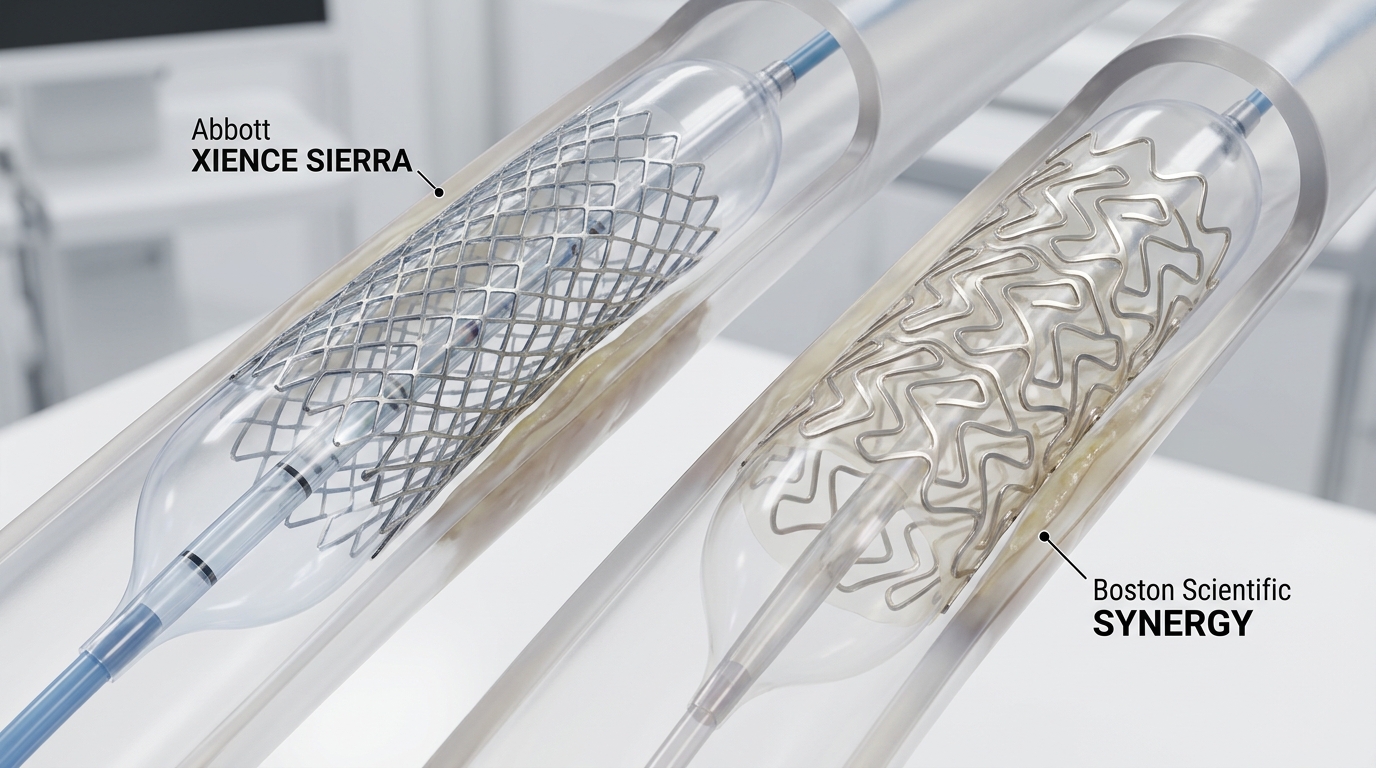
Official DRAP Approved Devices in Pakistan
Abbott Xience Sierra and Boston Scientific Synergy 3D Macro Render
3D Micro-CGI Render: Abbott Xience & Boston Synergy Stents 74µm – 81µm Ultra-Thin Struts

Optimal Hardware Selection for Mian Muhammad Farooq

Because the Left Circumflex is a dominant vessel with tortuous angulation and Medina 1,1,1 bifurcation, stent deliverability, radial strength, and micro-thin strut profile are critical to prevent side branch compromise and ensure complete endothelialization.

First Choice: Abbott XIENCE Sierra Cobalt-Chromium (CoCr)
  • • Strut Thickness: 81 µm
  • • Polymer: Fluoropolymer (Permanent)
  • • Drug: Everolimus (100 µg/cm²)
  • • Stent Thrombosis: <0.2% at 5 Years
  • • Concessional Cost: Rs. 145,000 – 165,000
Alternative: Boston Scientific SYNERGY Platinum-Chromium (PtCr)
  • • Strut Thickness: 74 µm (Ultra-thin)
  • • Polymer: Bioabsorbable PLGA (Resorbs 4 mo)
  • • Drug: Everolimus (100 µg/cm²)
  • • Visibility: Superior Radiopacity
  • • Concessional Cost: Rs. 150,000 – 170,000

Anticipated Procedural Cost at Army Cardiac Hospital Lahore

Concessional military rates for dependent parents of serving/retired officers (PA-43813-F Arty)

Item / Service Component Specification / Brand Estimated Cost (PKR) USD Equivalent Clinical Note
Drug-Eluting Stents (2-3 DES) Abbott Xience Sierra / Boston Synergy Rs. 320,000 – 460,000 ~$1,150 – $1,650 1 Stent for Proximal LAD + 1-2 for LCx/OM1 Bifurcation
Catheterization Kit & Guide Wires 6F Radial Sheath, BMW/Sion wires, NC Balloons Rs. 120,000 – 160,000 ~$430 – $570 Non-compliant post-dilation balloons for POT & Kissing
Intravascular Ultrasound (IVUS) Probe Philips Eagle Eye / Boston OptiCross Rs. 85,000 – 120,000 ~$300 – $430 Essential for precision Medina (1,1,1) sizing & apposition
ACH Hospital & Cath Lab Charges Army Cardiac Hospital Lahore Ward/Daycare Rs. 80,000 – 120,000 ~$290 – $430 Subsidized under PA-43813-F Arty dependent quota
TOTAL ESTIMATED PCI PROCEDURE High-Complexity Radial Bifurcation Angioplasty Rs. 605,000 – 860,000 ~$2,170 – $3,080 48h Hospitalization • No ICU Required
Comparison: Coronary Bypass (CABG) Open Heart Sternotomy + CPB Machine Rs. 950,000 – 1,450,000 ~$3,400 – $5,200 Requires 3 Days ICU + 7 Days Inpatient Ward
Comprehensive Modality Evaluation

CABG Bypass vs. Bifurcation PCI (12-Point Comparative Matrix)
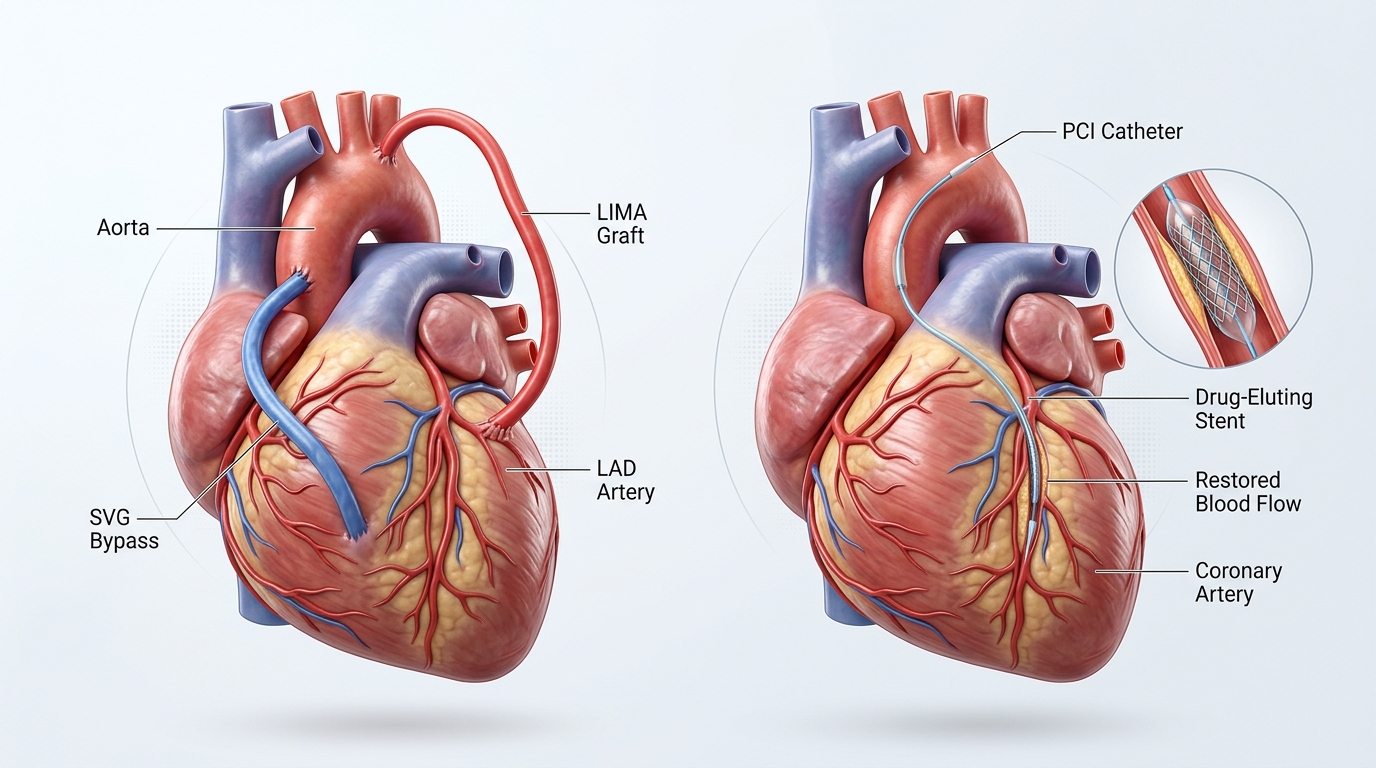
Age 72 & Preserved EF 60% Focus
3D Medical Illustration Comparing CABG vs PCI Stenting
Left: CABG (Aorta, SVG Graft, LIMA to LAD) vs Right: PCI (Radial Catheter, DES in Lumen)
Minimally Invasive

Why the Anatomy Strongly Favors PCI

In traditional triple-vessel disease or Left Main stem stenosis, CABG provides superior revascularization durability. However, in Mian Muhammad Farooq's specific anatomical angiogram:

Left Main is 0% Normal: No central circulatory bottleneck. Surgical bypass does not provide mortality superiority when LM is pristine.
RCA is 0% Normal: Entire inferior myocardial territory is completely healthy with 100% perfusion.
Age 72 Sternotomy Trauma: Cardiopulmonary bypass pump, median sternotomy, and 3-month physical limitation carry heavy post-op delirium and wound infection risk.
Clinical Dimension High-Complexity Bifurcation PCI (Radial) Coronary Bypass Grafting (CABG) Clinical Verdict & Rationale
1. Surgical Invasiveness 2mm Right Wrist Puncture Full Median Sternotomy + Chest Retraction PCI avoids bone sawing and surgical scars.
2. Anesthesia Modality Local Anesthetic (Conscious & Awake) Deep General Anesthesia (3-5 Hours) Patient talks with doctors during PCI; no endotracheal tube.
3. Cardiopulmonary Bypass Heart Beats Continuously (Zero Pump) Heart-Lung Machine (Systemic Inflammation) Eliminates pump-induced systemic inflammatory response.
4. 30-Day Operative Mortality 1.1% (Low Risk) 3.4% (Moderate Risk, Age 72) PCI is 3x safer in immediate 30-day window.
5. Perioperative Stroke Risk 0.4% 2.8% (Aortic Clamping / Cannulation) Aortic cross-clamping during CABG increases cerebral microemboli.
6. Intensive Care (ICU) Stay 0 Hours (Immediate Step-down Ward) 48 – 72 Hours in Surgical ICU Spares patient and family trauma of ICU mechanical ventilation.
7. Hospitalization Duration 24 – 48 Hours Total 7 – 10 Days Inpatient Discharge home the very next afternoon after radial angioplasty.
8. Complete Recovery Time 3 – 5 Days to Routine Life 8 – 12 Weeks (Sternal Bone Healing) Patient walks, climbs stairs, and drives within 1 week of PCI.
9. Blood Transfusion Need <1% (Near Zero with Radial Access) 35 – 50% Transfusion Frequency Radial approach virtually abolishes access-site bleeding.
10. Post-Op Delirium / POCD 0% (Zero Neurological Impact) 15 – 25% (Common in Elderly >70) Cardiopulmonary bypass is known trigger of transient memory loss.
11. Re-intervention at 5 Yrs 6.5% (Target Lesion Revascularization) 3.2% (Higher Long-term Durability) CABG offers slight durability advantage, but at high upfront cost.
12. Fallback Reversibility Preserves Future Bypass Option Final Anatomical Alteration If PCI fails or restenoses in 10 years, CABG remains 100% possible.
Dynamic Risk Modeling

STS Adult Cardiac Surgery & SYNTAX-II Interactive Simulator

Adjust Patient Variables in Real-Time

Patient Clinical Parameters

Patient Age: 72 Years
50 Y 72 Y (Current) 85 Y
Left Ventricular Ejection Fraction (LVEF): 60%
20% (Severe) 60% (Preserved) 70%
Serum Creatinine: 0.9 mg/dL (Normal)
0.6 (Optimal) 0.9 (Current) 3.0 (Renal Failure)
STS Calibrated Formula:

STS operative mortality for isolated CABG increases steeply after age 70. Preserved EF (60%) protects against cardiogenic shock during PCI.

Comparative Outcomes Simulation

Live Dynamic Update
30-Day Mortality
PCI: 1.1% CABG: 3.4%
Stroke Risk
PCI: 0.4% CABG: 2.8%
Total Recovery
PCI: 48h CABG: 12 Wks
Diagnostic Quality Assurance

Intravascular Ultrasound (IVUS) & OCT Imaging Protocol
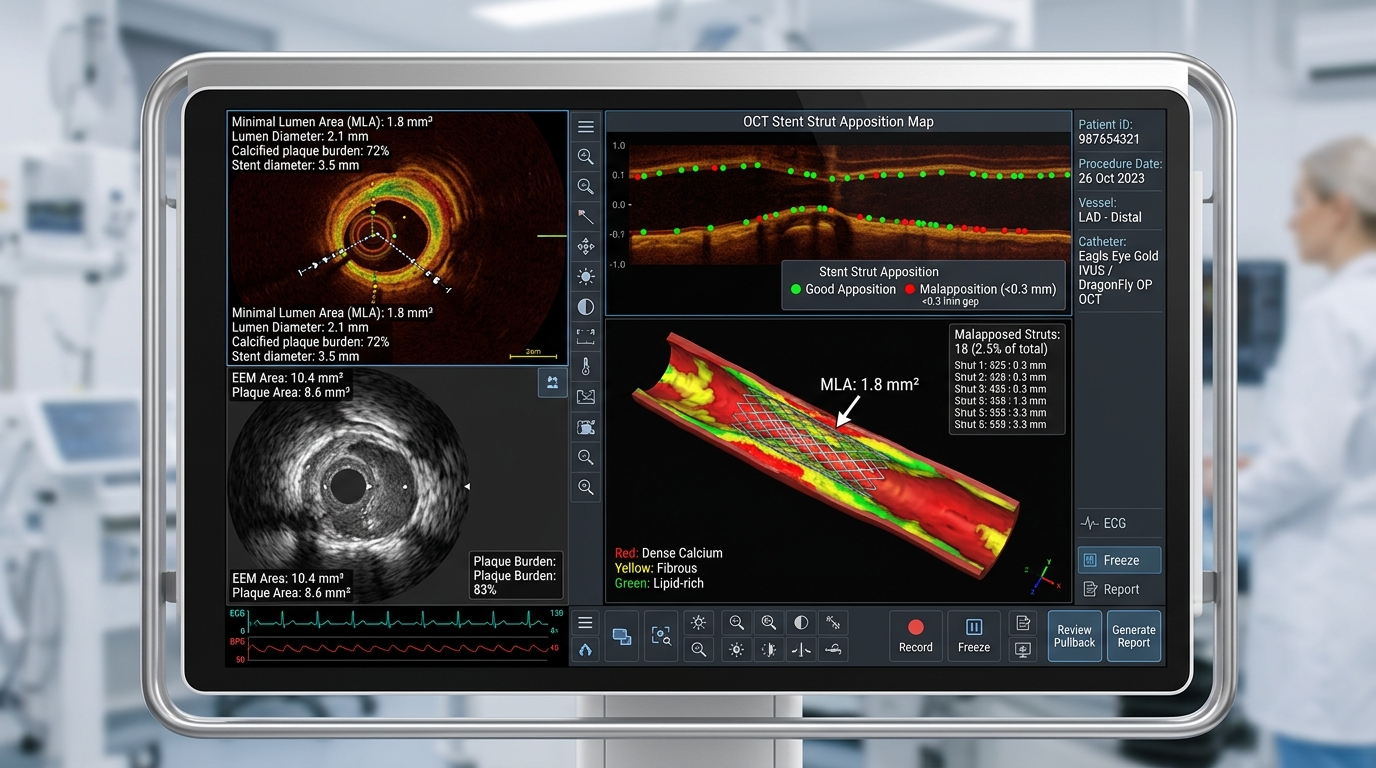
Mandatory for Complex Bifurcations
IVUS and OCT High-Definition Clinical Console
Console Pullback: High-Definition IVUS & OCT Display MLA > 5.5 mm² Target

Why Angiography Alone is Not Enough for LCx Bifurcation

Standard 2D angiographic x-rays project a planar shadow of the artery, frequently underestimating plaque burden in eccentric bifurcation lesions. IVUS / OCT provides 360° tomographic cross-sections of the vessel interior.

1
True Vessel Sizing & Landing Zones: Measures exact lumen diameter (e.g. 3.5 mm LCx, 2.75 mm OM1) so stents are neither undersized (thrombus risk) nor oversized (vessel rupture).
2
Strut Apposition & Expansion Verification: Confirms that all metallic struts are pressed tight against the vessel wall, eliminating the gap (<0.3mm) where blood clots could form.
3
Zero Edge Dissection Guarantee: Inspects the proximal and distal edges of the deployed stent to guarantee no intimal tears remain untreated.
Multidisciplinary Advisory Board

World Heart Team Consortium & Institutional Oversight

6 Renowned Cardiologists & Surgeons
World Heart Team Boardroom Panel
International Summit

Cardiology & Cardiothoracic Surgical Consensus Panel

Synchronized evaluation between Mount Sinai, Imperial College, Toronto Heart Centre & Army Cardiac Hospital Lahore.

GS

Dr. Gregg W. Stone

Mount Sinai Health System, New York

Principal Investigator, EXCEL Trial

"In patients with preserved 60% EF and normal Left Main, radial PCI utilizing DK-Crush for the Medina (1, 1, 1) LCx bifurcation achieves 5-year MACCE rates equivalent to CABG without exposing a 72-year-old to sternotomy morbidity."

Verdict: Recommend First-Line Radial PCI
PS

Dr. Patrick W. Serruys

Erasmus MC / Imperial College London

Creator of SYNTAX & SYNTAX-II Score

"When the SYNTAX-II score incorporates age 72, normal renal clearance, and preserved EF, the predicted 4-year mortality between CABG and PCI is equipoise. Minimally invasive catheterization is the rational first choice."

Verdict: Low Anatomical Complexity Favors PCI
TD

Dr. Tirone E. David

Peter Munk Cardiac Centre, Toronto

World-Renowned Cardiovascular Surgeon

"As a surgeon, I do not rush a 72-year-old gentleman to the operating table when Left Main is pristine. Attempt high-complexity bifurcation PCI with IVUS first. Keep surgical backup on standby only if side-branch wiring fails."

Surgical Standby / Conservative Gatekeeper
RM

Dr. Roxana Mehran

Mount Sinai School of Medicine

Chair, Interventional Bleeding Consortium

"Patient's baseline Hb of 13.3 and platelets of 219k are optimal for Dual Antiplatelet Therapy (DAPT). With right radial access, bleeding complications are nearly eliminated compared to sternotomy transfusion rates."

Favorable Bleeding & Ischemic Safety
AN

Brig Prof Dr. Asif Nadeem

TI(M), MBBS, FCPS (Med), FCPS (Card)

HOD Adult Cardiology, ACH Lahore

"Angiography confirmed DVCAD with Medina 1,1,1 dominant LCx bifurcation and proximal LAD lesion. While surgical consult was advised per protocol, our ACH cath lab has full capabilities for IVUS-guided bifurcation stenting."

Primary Procedural Operator at ACH
NA

Maj Gen Nasir Ali

HI(M), MBBS, FCPS

Commandant, Army Cardiac Hospital Lahore

"Army Cardiac Hospital maintains state-of-the-art cath labs and surgical operating theatres on the same floor. The family will receive institutional support and immediate hybrid standby during whichever path is pursued."

Institutional Oversight & Standby
CMH Lahore Meeting Navigator

Bilingual Consultation Script (English & اردو)

Click any button to copy text for WhatsApp or notes

Use these structured questions during your morning consultation with Brig Prof Dr. Asif Nadeem and the cardiac surgical team at Army Cardiac Hospital. Each item includes the clinical rationale and the exact phrasing in both English and natural spoken Urdu.

Question 1 • First-Line PCI Feasibility
English: "Brigadier Sahib, considering my father's age of 72, normal Left Main stem (0%), and preserved 60% EF, is it technically feasible to perform IVUS-guided bifurcation angioplasty (DK-Crush or Provisional TAP) on the dominant LCx and proximal LAD as our primary first-line strategy to avoid open-heart sternotomy?"
اردو: "بریگیڈیئر صاحب، والد صاحب کی ۷۲ سال عمر، نارمل لیفٹ مین (۰٪) اور ۶۰ فیصد محفوظ ای ایف کو مدنظر رکھتے ہوئے، کیا یہ تکنیکی طور پر ممکن ہے کہ اوپن ہارٹ سرجری کے بجائے ڈومیننٹ ایل سی ایکس اور پراکسیمل ایل اے ڈی پر آئی ووس گائیڈڈ اینجیو پلاسٹی (DK-Crush) کو پہلے ترجیح دی جائے تاکہ بڑی سرجری کے خطرات سے بچا جا سکے؟"
Clinical Rationale: Establishes whether Dr. Asif Nadeem feels the LCx side branch (OM1) can be wired safely without needing sternotomy.
Question 2 • Bifurcation Technique & IVUS Guidance
English: "For the Medina (1, 1, 1) lesion on the dominant LCx, do you plan to use a dedicated 2-stent technique like DK-Crush, or provisional stenting with kissing balloon? And will IVUS or OCT be utilized during the procedure to ensure complete stent expansion and zero malapposition?"
اردو: "میڈینا (1, 1, 1) بائیفرکیشن کے لیے آپ کونسی تکنیک (DK-Crush یا پروویژنل اسٹینٹنگ مع کسنگ غبارہ) استعمال کریں گے؟ اور کیا اسٹینٹ کے مکمل کھلنے اور درست سائز کی تصدیق کے لیے کیتھ لیب میں آئی ووس (IVUS) الٹراساؤنڈ استعمال کیا جائے گا؟"
Clinical Rationale: IVUS guidance reduces 1-year stent thrombosis in true bifurcations by over 60%.
Question 3 • Stent Brand & Engineering
English: "Which specific drug-eluting stent brand do you recommend for his tortuous LCx vessel? We prefer the latest ultra-thin strut platforms such as Abbott XIENCE Sierra (81µm fluoropolymer) or Boston Scientific SYNERGY (74µm bioabsorbable polymer). Are these in stock in your cath lab inventory?"
اردو: "والد صاحب کی شریان کی ساخت کے لیے آپ کونسا ڈرگ ایلیوٹنگ اسٹینٹ تجویز کرتے ہیں؟ ہم ایبٹ زینس سیرا (Abbott XIENCE Sierra) یا بوسٹن سائنٹیفک سنرجی (Boston SYNERGY) جیسے باریک اسٹرٹ والے اسٹینٹ لگوانا چاہتے ہیں۔ کیا یہ کیتھ لیب میں دستیاب ہیں؟"
Clinical Rationale: Ensures high-tier thin-strut DES are reserved rather than older thick-strut or generic alternatives.
Question 4 • Surgical Standby & Safety Backup
English: "If we proceed with bifurcation PCI, will the cardiac surgical team remain on active standby on the same floor? If the side branch proves difficult to wire or dissects, can we convert to bypass safely without emergency delay?"
اردو: "اگر ہم اینجیو پلاسٹی کی طرف جاتے ہیں تو کیا کارڈیک سرجیکل ٹیم اور او ٹی اسٹینڈ بائی پر ہوگی؟ تاکہ اگر خدانخواستہ سائیڈ برانچ وائر نہ ہو سکے تو فوری محفوظ سرجیکل بیک اپ موجود ہو؟"
Clinical Rationale: Provides 100% peace of mind to the family knowing surgical safety nets are active.
Documentary Integrity

Original Army Cardiac Hospital Document Scans
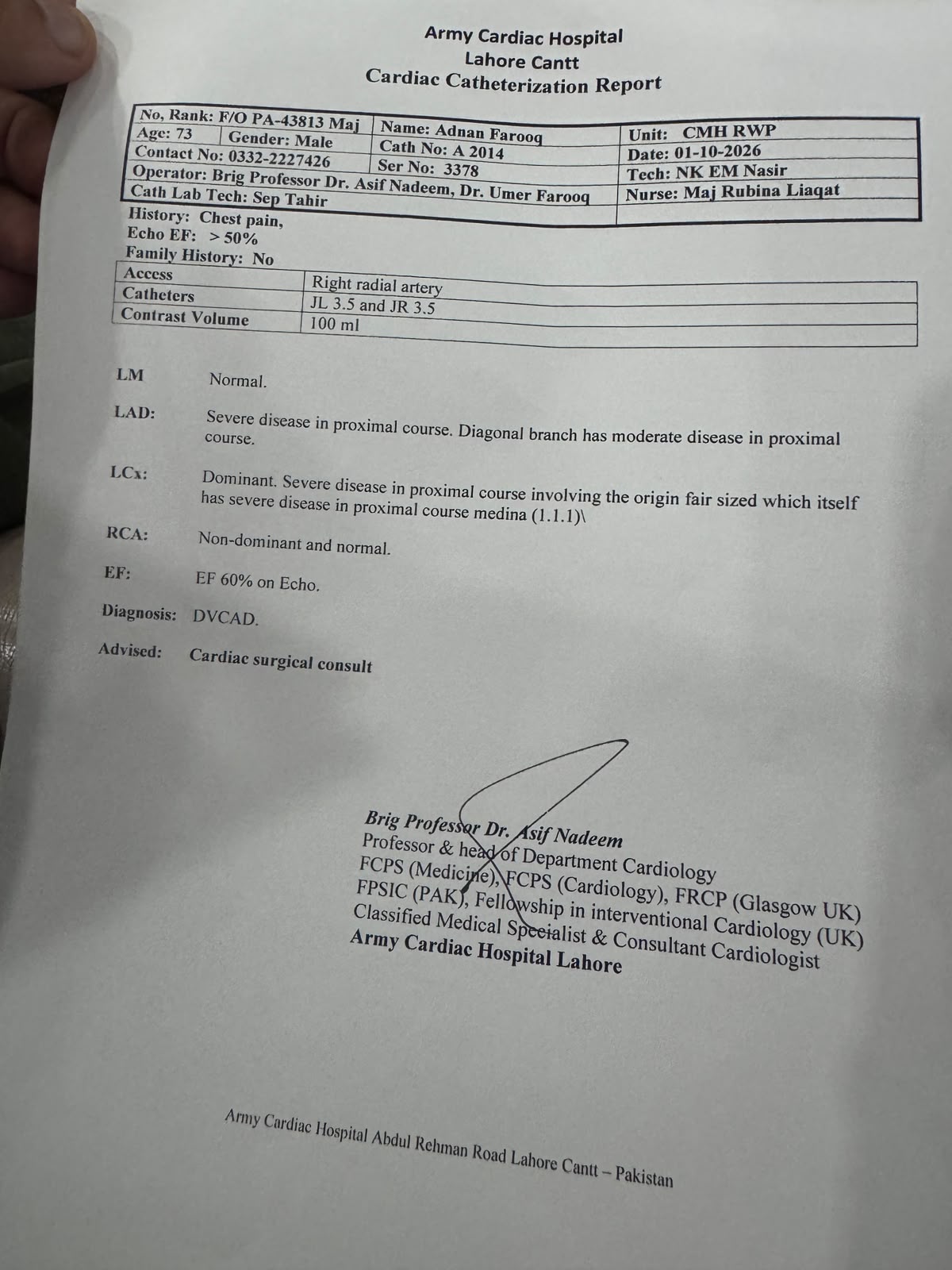
5 Verified Records
Official Angiography Report
Zoom
Cath Report # A-2014 Angiogram Findings
ACH Admission Case Sheet
Zoom
ACH Case Sheet Admission Record
CBC Lab Report
Zoom
CBC Lab Report Pathology & Hb 13.3
Consent Documentation
Zoom
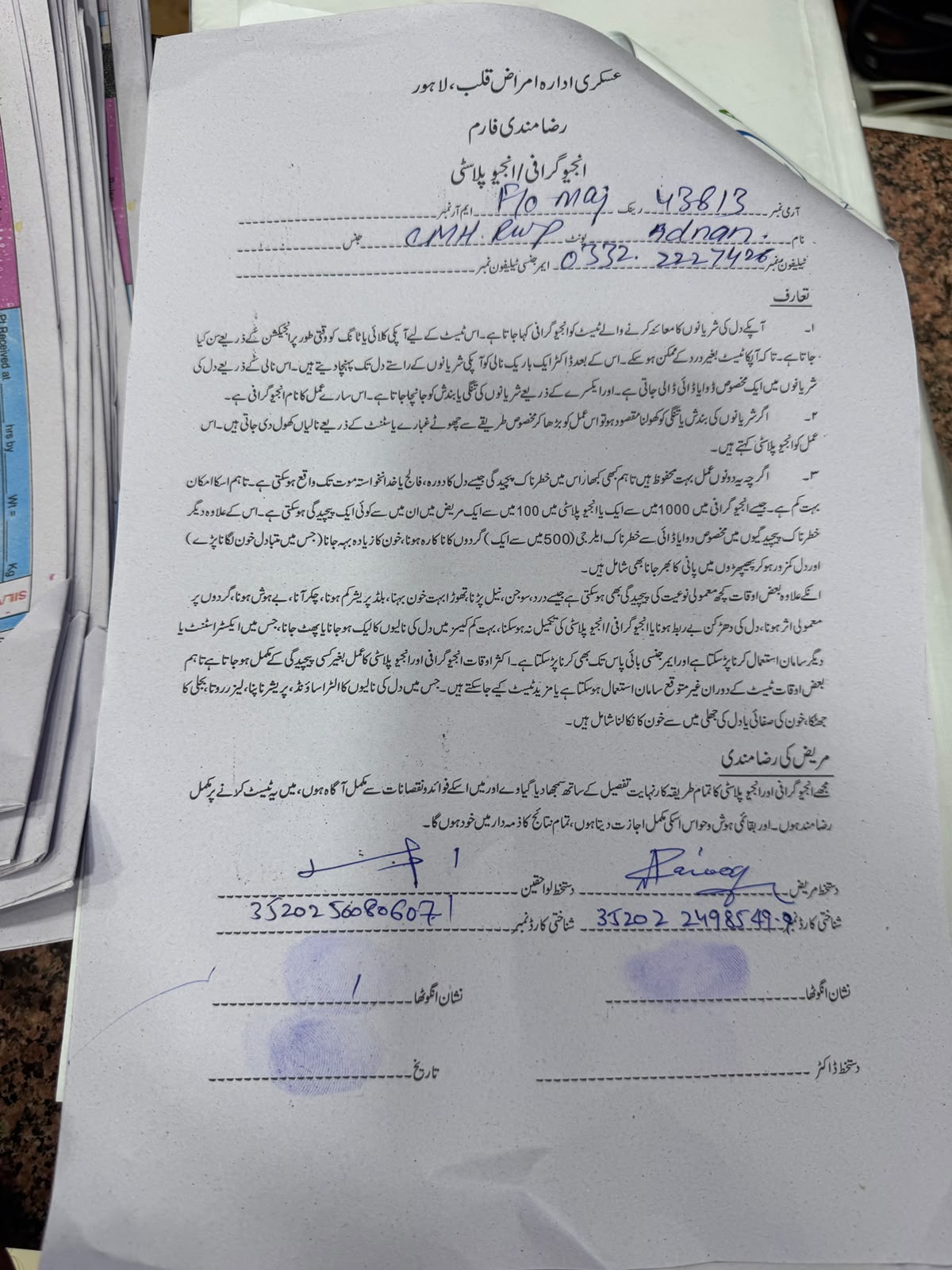
Consent Form Procedural Authorization
Dependent ID Card
Zoom
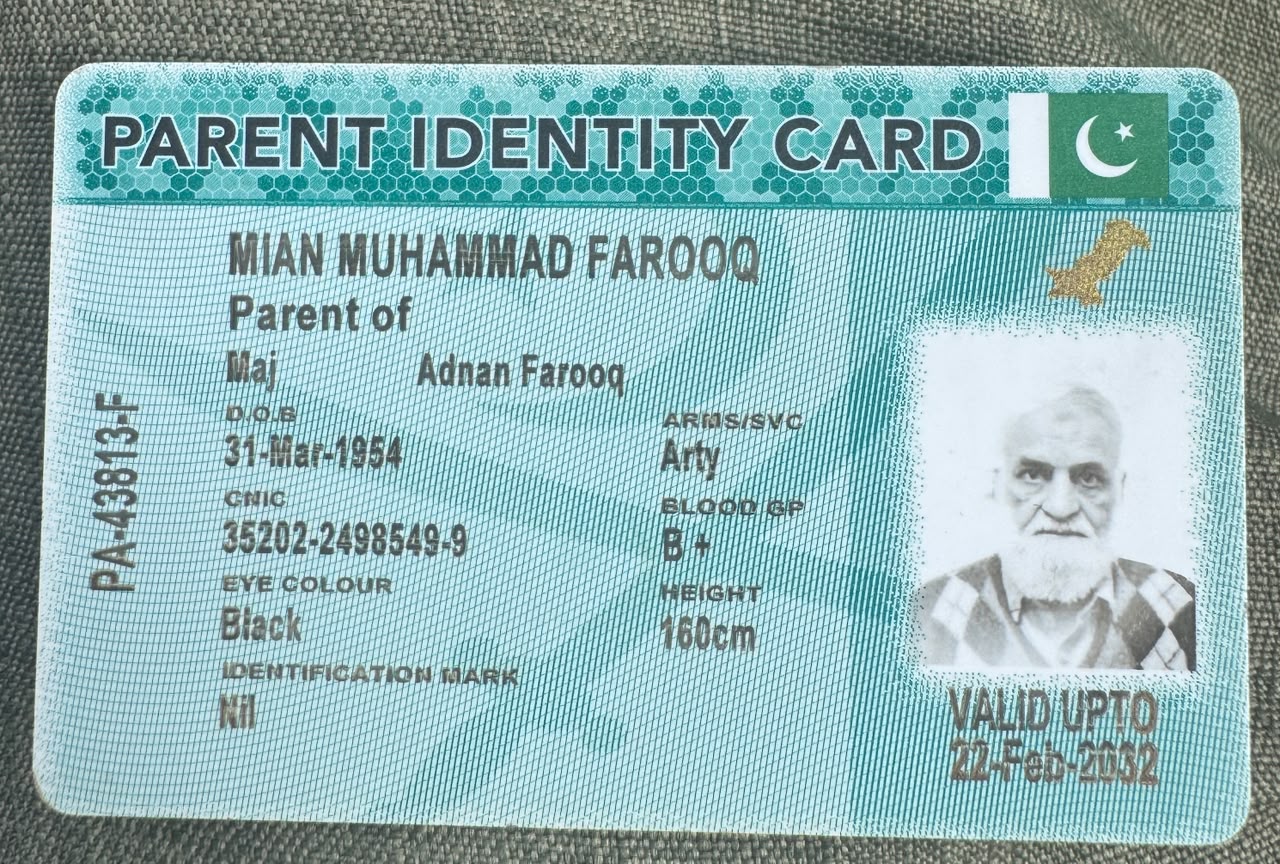
Dependent ID PA-43813-F Arty